Furthermore, our healthcare system is laughable, and all our shortcomings are being thrust into the light. There are many lessons that Bangladesh could have learned from another country about how to handle the crisis. We could have learned from their mistakes. But returning into the home is like returning to a bubble, full of people who mistrust the media, sometimes rightfully, and ignore science. We’re so wrapped up in our own domestic politics that we can’t see what’s happening to the rest of the world.
I’ve crossed the world during this pandemic, but my experiences are certainly more visceral and less dramatic than many others. Yet what I experienced is intrinsically connected to the rest of humanity, in a way that’s more direct and obvious than ever before.
My decision to go home and spend few hours in bus-stop could have put everyone I met at risk. I hope not, but I won’t know for another week, when my possible incubation period is over. And the way that we chose to report about the pandemic at Covid-19 affected the way that people reacted to it.
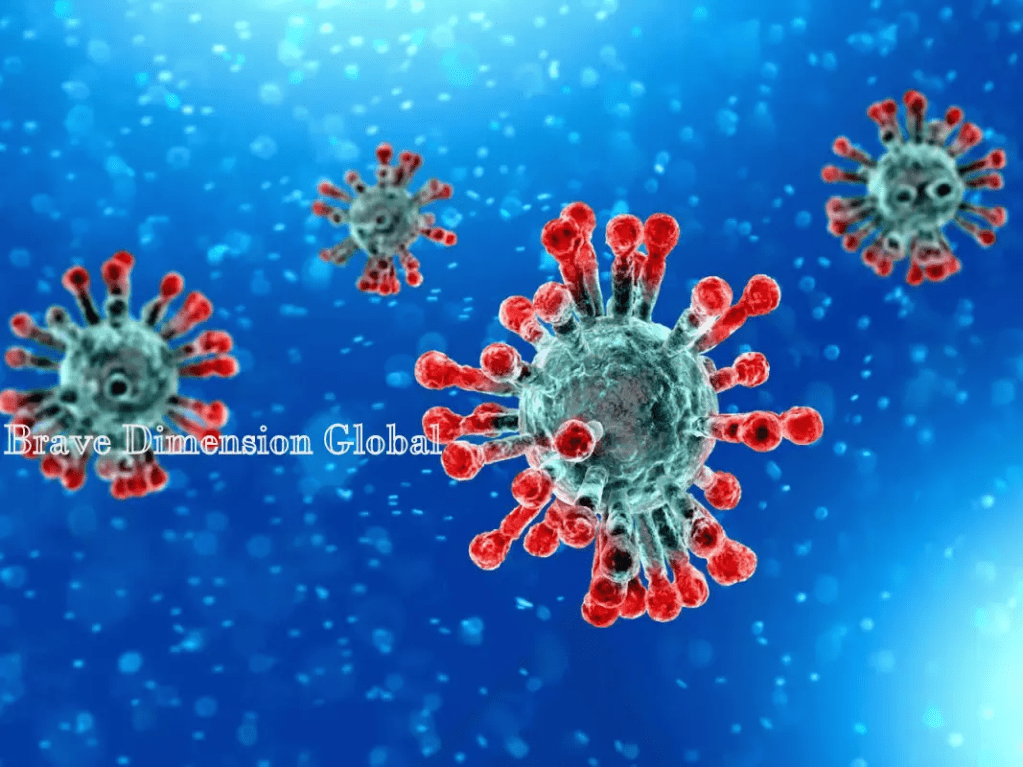
Every day, the death toll rises exponentially, and we are forced to re-evaluate our role in this crisis and our debt to society. But that’s the last challenge about writing about the pandemic – it’s not over yet, and none of us yet have the clarity of hindsight.
I’d love to conclude that we’re going to come out of this with a stronger sense of our shared humanity. I’d love to even be able to make cynical, sweeping statements condemning human nature based on how we’ve responded to this crisis. But this pandemic is far from over, and what we do in the next few weeks is going to make a huge difference in how this event is remembered and, hopefully, how we see ourselves.
Foysal Hasan Tanvir
Student, Department of Law
UN Children Advisor at CHRD
December 5, 2020



 Brave Dimension Global